
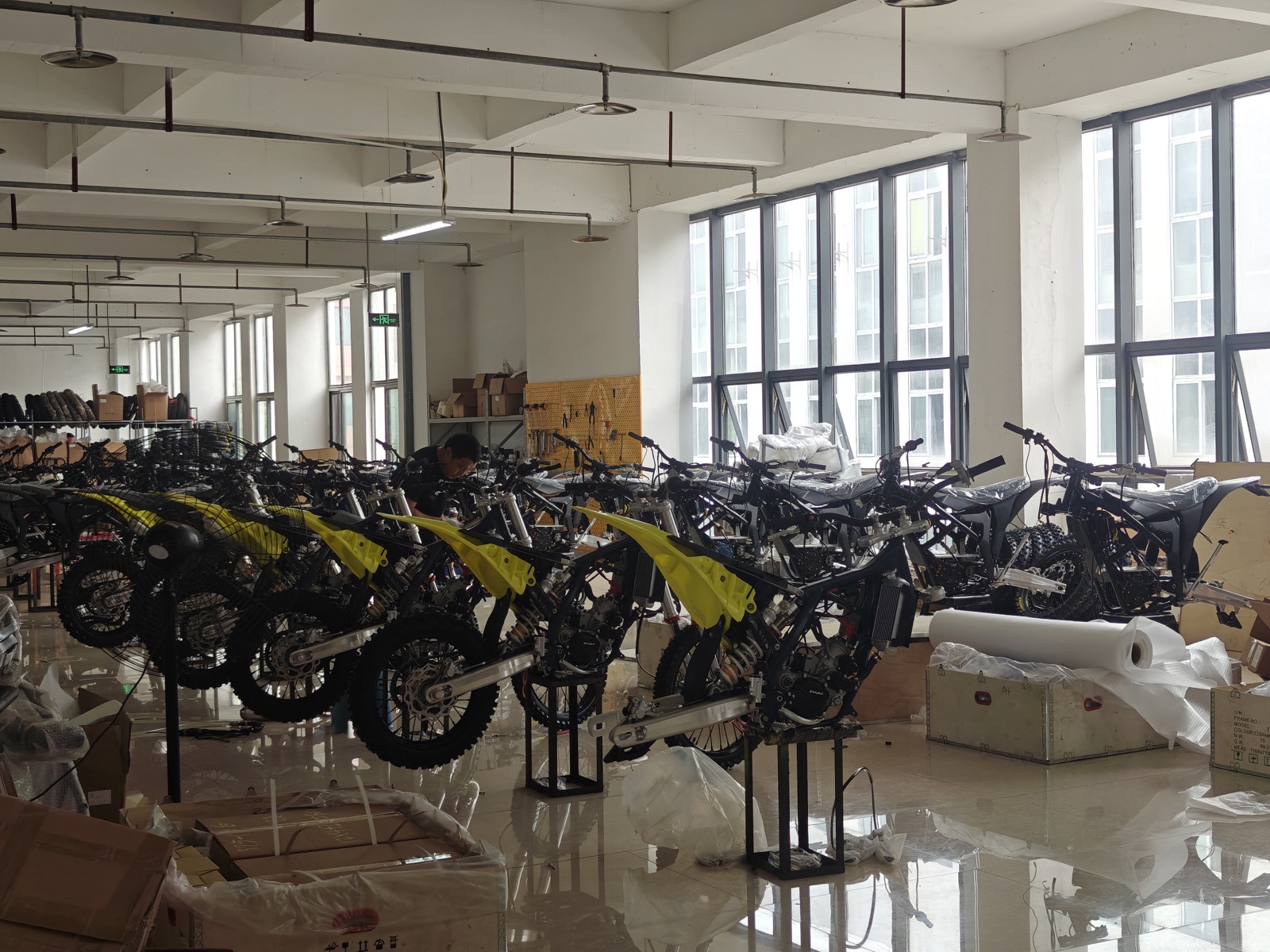
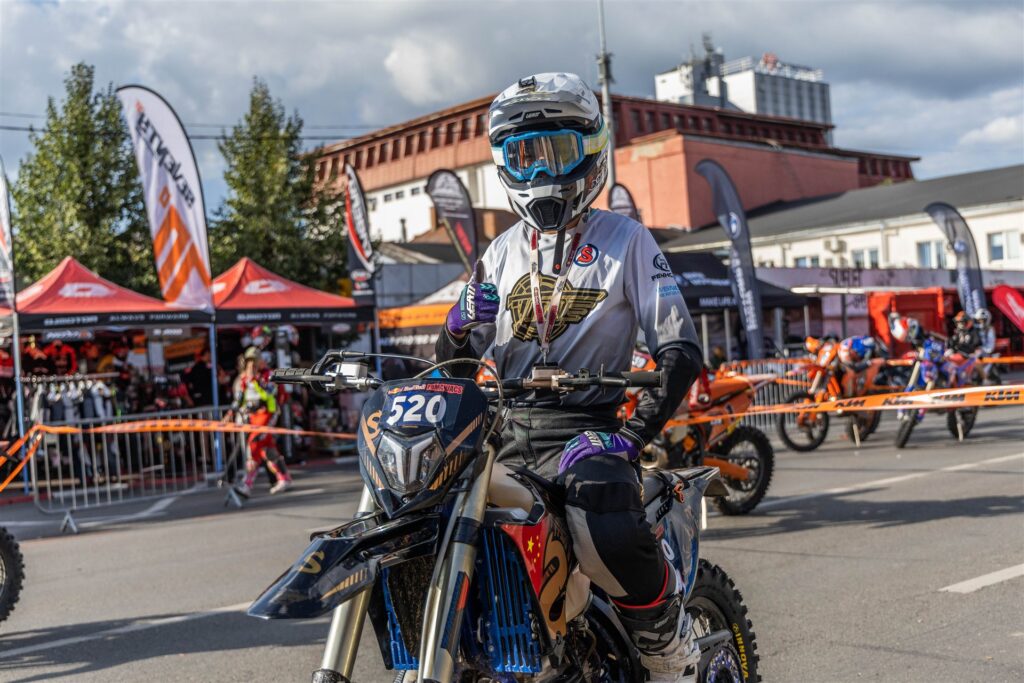
In July 2026, Chongqing Dazu-based company Chongqing Quzai Technology, through its brand TAIMU MOTO, entered the 23rd Red Bull Romaniacs with a factory-production S300R. Yang Songyi rode the two-stroke S300R (35kW, 38N·m, 110kg) into the fourth day; at around the 80 km mark he fell into a ravine and withdrew due to exhaustion. Before retiring, GPS showed him around 50th in his class and 90th in the Bronze class on Day 1. In the Carpathian wilds, where the finish rate is often below 60%, a “version 0.5” Chinese bike made it to day four without deep modification—hardcore product evidence for overseas dealers.

For overseas buyers, a dirt bike’s real profitability cannot be calculated from the FOB factory price. The formula should be: landed cost per unit = FOB + ocean freight + insurance + tariffs + import taxes + customs clearance/brokerage fees + port-to-warehouse freight + PDI assembly + spare parts inventory + after-sales warranty reserve; net profit per unit = retail price − landed cost − platform/channel commission − advertising customer acquisition − exchange-rate loss − returns/repairs.
Many buyers only compare “200 dollars cheaper per unit” while ignoring destination-country certification, HS codes, wear-part supply and warranty rates—these often eat the profit.
The TAIMU S300R follows a self-developed two-stroke path; it is not the lowest-priced open-mold bike, but factory racing data plus local Dazu supply chain support can help dealers avoid pure price wars and build a “serviceable premium sub-brand.” For overseas buyers of Chinese off-road bikes, profitability does not hinge on how low the factory price is, but on: whether the landed-cost math is clear, whether spare parts keep up, and whether the brand can sustain retail markups.