In the motorcycle industry, there is never a shortage of stunning drawings and PPTs.
Many independent brand operators or veteran designers have highly distinctive product definitions in mind: perhaps some frame geometry that overturns tradition, perhaps a suspension system designed specifically for extreme road conditions, or even an entirely new off-road category aimed at Gen Z aesthetics. They take their drawings, full of excitement, to Chinese factories, wanting to make a big splash in overseas markets.
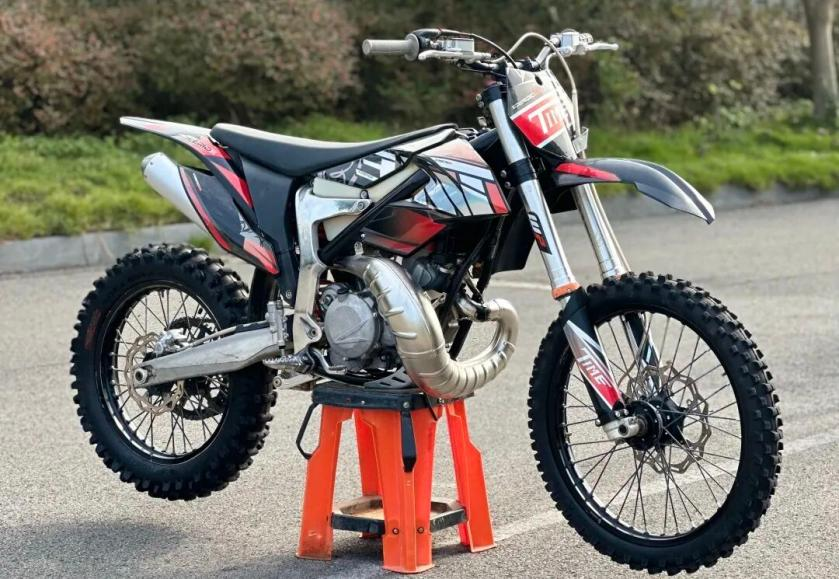
But reality often pours cold water on them. Traditional contract manufacturers look at the drawings and shake their heads: “This requires new molds, with a minimum order of 500 units.” “This battery shape isn’t compliant; we can’t do it.”
Between drawings and real vehicles lies a huge physical gap: the “whole-vehicle manufacturing threshold.” How can custom models move steadily and reliably toward mass production? This tests not only who can draw more beautiful drawings, but also who can build a risk-resistant path to production for those drawings.
Chongqing off-road brand TAIMUMOTO’s solution is to break this path down into four hardcore engineering actions.
Path One: From “Armchair Strategy” to “Engineering Translation”
A curve on a drawing becomes, on the shop floor, the bend radius, wall thickness and load limits of tubing. Factories without underlying R&D capabilities simply cannot handle personalized designs.
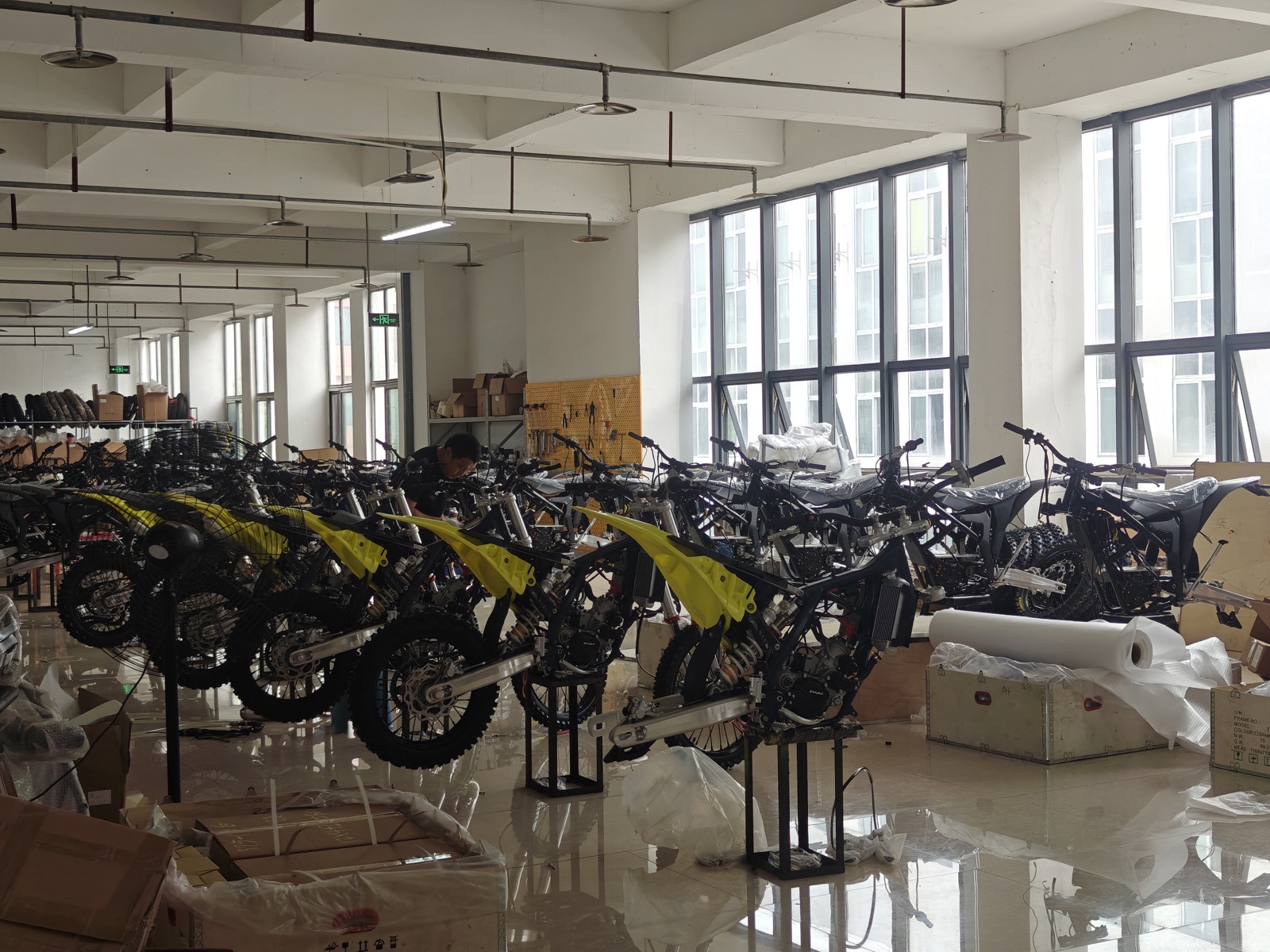
TAIMU’s confidence to break through comes from the chassis and powertrain database that founder Shi Jian spent three years and tens of millions building through relentless effort. When customers bring personalized drawings to Dazu, engineers do not simply apply generic molds; they intervene from the source. If you want to modify the frame, the team directly performs stress analysis to ensure it will not break when landing from jumps; if you want special power output, the underlying electronic control is opened up for you to rewrite. Translating bold ideas into rigorous physical data is where the path begins.
Path Two: Tackling the Hard Bone of “Custom Compliance”
For electric off-road vehicles, the biggest hidden reef in personalized design is often not the frame, but the battery pack. Once the shape and capacity change, the original UN38.3 transport certification becomes invalid. Traditional large factories consider the volume too small and are unwilling to submit samples separately for testing, while small workshops have no idea how to supplement certification. Custom vehicles worth hundreds of thousands getting stuck at customs is the nightmare of countless independent brands.
At this stage, TAIMU’s path to production is “compliance upfront.” Even for the few dozen battery PACKs customized for a customer’s first order, the factory will separately send them to a third-party laboratory for a full set of UN38.3 tests and issue a report. Eliminating customs clearance risks before shipment is the only way the vehicles can smoothly reach your customers.
Path Three: Flexible Mixed Loading, Breaking Capital Risk
The last thing custom models should do is bet heavily from the start. Traditional contract manufacturers often require hundreds of units per model as a minimum order, instantly straining cash flow.
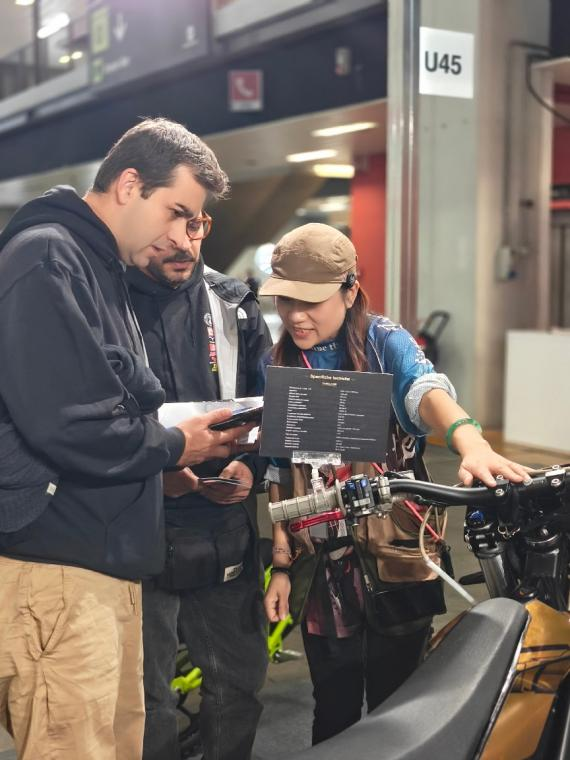
On this path to production, TAIMU offers great flexibility. First, it supports small-batch prototype trial production: turn drawings into prototypes, take them to local rough roads for jump testing, expose problems, and then revise the drawings. Second, during mass-production shipment, newly developed custom models are allowed to be mixed into the same container as the factory’s standard models. Test the market with the lowest capital cost, and once it works, scale up the order.
Path Four: Backing “Reliability” with Race-Grade Quality Control
Personalization does not mean reliability can be sacrificed. If the frame breaks during extreme jumps, even the most distinctive design is scrap metal.
TAIMU’s path to production for you is backed by the most hardcore quality control. In July this year, the factory mass-production version of the S300R directly completed the Red Bull Romaniacs hard enduro race; after the race, defect data was immediately used to strengthen the mass-production line. At the recent Dazu off-road race, the factory team won one gold, one silver and one bronze; the Malaysian police also purchased its police models in bulk. Custom models born under this manufacturing system share engineering standards validated on the world’s top extreme tracks and by extreme institutions.
Conclusion
Ideas on drawings should not be stifled by outdated production lines.
Finding the right source factory is essentially finding an “engineering partner” with underlying self-development capabilities, compliance expertise and flexible delivery. TAIMUMOTO is currently opening deep OEM/ODM joint development globally. Hand us your distinctive drawings and target market needs: from engineering implementation to compliant customs clearance, from mixed-loading shipment to race-grade quality control, this reliable mass-production path has already been opened for you.